Somaliland at a Crossroads: How Al-Ictisaam Extremists Threaten the Nation’s Stability
In September 2019, I warned about the threat posed by Al-Ictisaam (aka- Al-an-saari-Suna), a Salafi militant group intent on using violence to destabilize and ultimately to bring down Somaliland. I urged the government of Somaliland to take decisive action against them. At the time, many dismissed my warning. Six years later, it is clear that the threat is clear and dangerous. Today, Al-Ictisaam operatives have infiltrated government institutions, seized control of key businesses, and shaped the narratives and policies that undermine the very fabric of our nation.
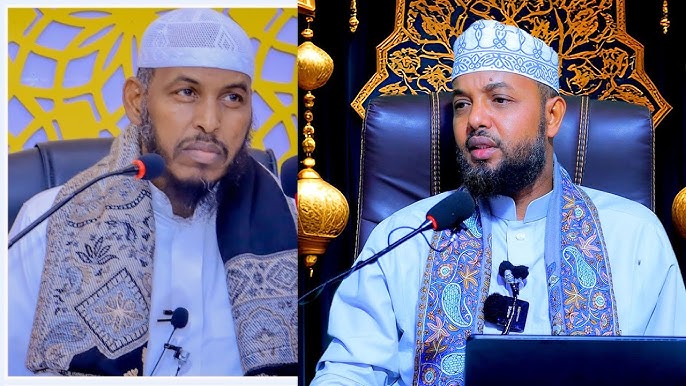
Kudos to Sheik Abdillahi Berbarawi, who stood up for Somaliland and exposed the true intentions of the Al-Ictisaam Extremist group. Confronting them needs societal efforts to disrupt, dismantle, and defeat the radical elements and their collaborators. Somaliland has been an oasis of stability in a region rife with Tribal and clan violence, bad governance, and political turmoil. Somaliland has offered an alternative model of peace, grassroots governance, and democracy. But that stability is not guaranteed.
Al-Ictisaam extremists do not believe in Somaliland’s constitution, its democratic system, or even its national flag. Their ultimate goal is to replace Somaliland’s hard-won freedom with an extremist order disguised as religious purity. They spread lies and misinformation, infiltrate institutions, and rely on foreign funding to expand their reach. If left unchecked, their ideology threatens to undo more than three decades of sacrifice and struggle is not merely a debate about religious practice or different sects. The danger of Al-Ictisaam lies in its quiet, methodical penetration of our institutions. They have infiltrated businesses, city councils, the educational system, political parties, the legislature, and even the cabinet.
Consider the current Minister of Religious Affairs, Abdillahi Jama, who defends radical elements while censoring voices like Sheikh Abdillahi Berberaawi, who advocates for a balanced and tolerant Islam. It shows how extremists have captured positions of influence within the very government that should be defending Somaliland’s constitution.
The roots of this movement run deep. After the overthrow of Somalia’s Marxist dictator, Siad Barre, in 1991, the late radical cleric Sheikh Ali Warsame established a jihadist base in Burao, allegedly sending young men to fight along with Al-Shabaab and even to carry out suicide bombings. He had a marriage tie with Sheik Dahir Aweys, a jihadist with ties to the al-Shabaab militant group. They imposed restrictions on public life and have banned music, mixed-gender events such as weddings, and even the playing of the Somaliland national anthem. What began as small-scale cultural restrictions has grown into an alternative authority that challenges the state itself.
Today, his son, Sheikh Hassan Warsame, continues the mission, hiding behind clan identity to shield himself from accountability while exploiting weak institutions to expand his influence. He acts as Al-Ictisaam’s spokesman in Somaliland. Moreover, Clan elders aligned with Al-Ictisaam are amplifying this danger, making it harder for the government to confront without sparking wider conflict.
Even more disturbing, the Ministry of Religious Affairs has become a hub for extremist influence. Instead of pushing back, it has been weaponized to attack institutions like Abaarso School and Barwaaqo University— schools that represent the hope of Somaliland’s youth. These baseless attacks, despite repeated investigations clearing them, reveal the militants’ fear of the quality of education and critical thinking.
This is not the first time extremists have been emboldened by weak leadership. In September 2014, under the Kulmiye administration, the former Minister of Religion, Sheikh Khalil, invited Sheikh Umul—a known Al-Shabaab supporter, head Al-Ictisaam Kenya branch, and a vocal anti-Somaliland figure (Isaaq hater)—for a visit, granting him a hero’s welcome. This disgraceful episode sent a dangerous signal: that extremist voices could be legitimized at the highest levels of government.
The fight against Al-Ictisaam is not only ideological but also financial. They receive funding from foreign countries such as Qatar, as well as businesses—mainly predatory actors from the telecommunication/Money transfer sectors. These businesses exploit the current status quo (weak or non-existent government regulations) to avoid paying any taxes or contributing to social programs to alleviate abject poverty. Their financial support emboldens Al-Ictisaam, which uses these resources to recruit new members and expand its influence
Somaliland has faced security challenges like this in the past. President Mohamed Haji Ibrahim Egal and President Dahir Riyale Kahin fought hard against the militant group taking hold in Somaliland. Because they understood the threat posed by radical elements. They resisted attempts by militant clerics to control the state and ensured that civil authority prevailed in Somaliland.
We must remember the tragic events of 1992. This was before President Egal took power; Somaliland was in the grip of extreme elements, even in Hargeisa, the capital, government institutions were weak or virtually non-existent. In the summer of that year, a radical cleric, Sheikh Dahir Yoonis, from Wajaale Township, carried out one of the darkest episodes in our history: three women accused of adultery were executed without due process—stoned to death by a mob of extremists. Somaliland could have become a haven for terror. It was only through President Egal’s resilience and resolve that the nation was pulled back from that destruction and set on a path toward stability and civility.
History reminds the tragic event in 1992, Somaliland could easily have gone the way of failed states, becoming a haven for terrorists. What prevented that fate was leadership—Egal’s refusal to yield Somaliland’s destiny to radicals.
Unfortunately, since the rise of the Kulmiye party in 2010, religious militants have grown increasingly audacious. Because of that, I left the Kulmiye party. Rather than resisting them, some former party leaders—such as Hersi Hassan, now chairman of the Wadani party, and Hashi Mohamoud, chairman of the Kaah party—have tolerated or even enabled their influence. The result: extremists are no longer whispering from the margins; they are openly shaping both policy and society.
Somaliland cannot afford dithering. To safeguard our unity and sovereignty, extremists must be denied every platform—be it mosques, radio, or television—until Al-Ictisaam known figures such as Sheik Mustafa Ismail (individual who called Somaliland flag a worthless ‘Garment’), Sheik Dirir(become rich by monetizing religion like the Televangelists) , Sheik Almis, Sheikh Kaariye (deported from USA for alleged to al-Qaida ties), and others publicly affirm the constitution and swear allegiance to the nation. Civil law must prevail; no town, not even Burao, can fall under militant control.
Also, Funding pipelines must be cut through strict regulation of businesses and full transparency in foreign donations. Civic education must instill in youth that true freedom comes from democracy, sacrifice, and unity—not imported ideologies. Schools, universities, and cultural centers must take the lead in this resistance. Above all, leaders must be held accountable—silence in the face of infiltration is betrayal, and betrayal cannot be tolerated.
Finally, our faith is a religion of mercy, and Allah is the most merciful. We pray extremists change their ways, but we cannot be complacent. Somaliland’s independence was not handed to us—it was earned through blood and sacrifice. We must remain vigilant, defend our freedoms, and stop those who seek to poison our nation with their narrow, destructive interpretation of Islam.
Ali-Guban Mohamed
Founder and Editor
Gubanmedia.com, an online news and commentary site covering the Horn of Africa region