Guban View: It’s Time for Somalilanders to Elect Their Own Mayors
Lewis Center, Ohio—Somaliland was born out of rebellion against authoritarian rule. Our people rejected a regime that governed by decree and treated the regions as possessions rather than partners. More than three decades later, many Somalilanders are once again grappling with an overcentralized system that echoes some of the practices it sought to leave behind.
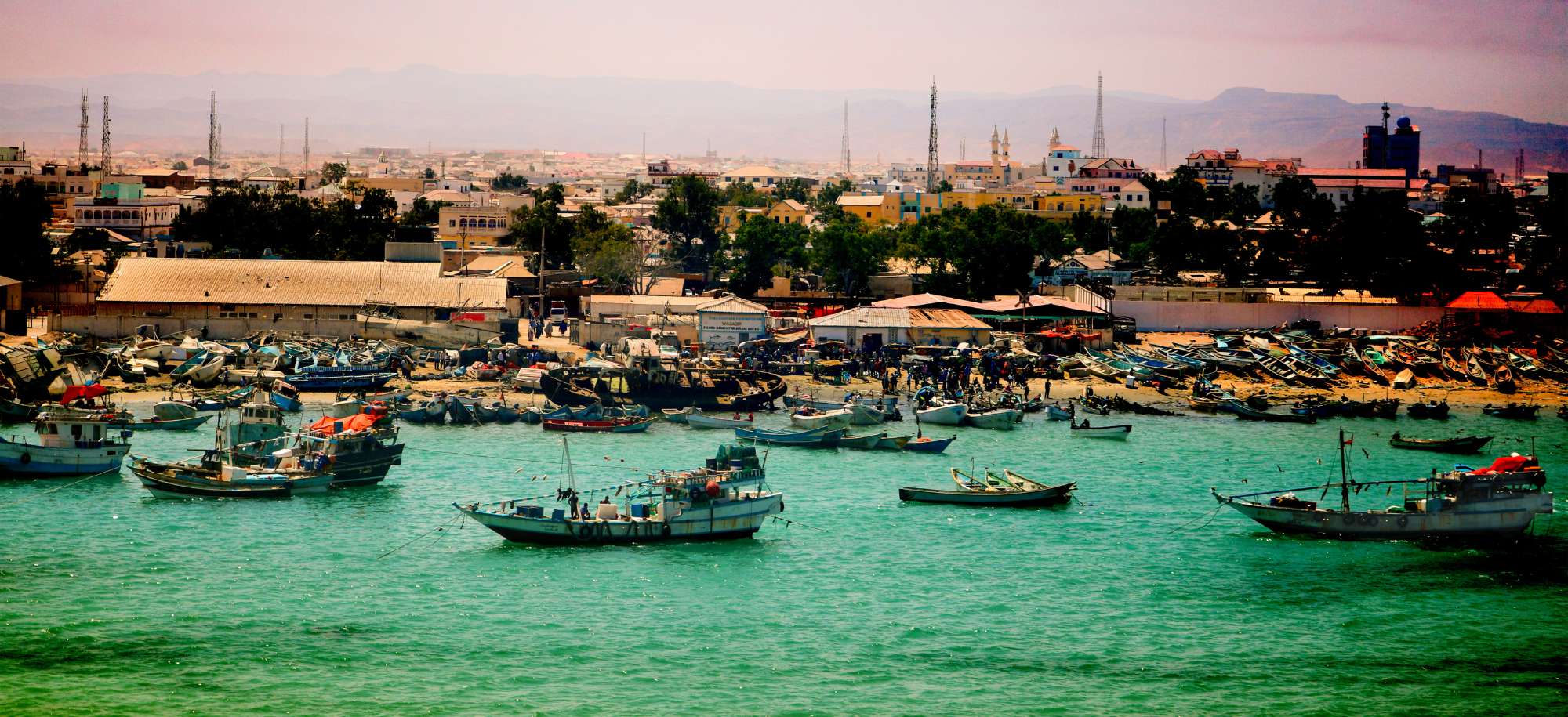
This month, Berbera’s mayor, Abdishakur Cidin, faced weeks of pressure to resign or face a no-confidence vote, after reports that the Interior Ministry had gathered 8 of Berbera’s 13 councilors at a hotel in Hargeisa— a level of central involvement in a local council’s business that should alarm anyone who believes in local democracy. Residents widely credit Cidin with improving governance and services in Berbera, the logistical and commercial hub of Somaliland and a gateway to the world. Ultimately, Cidin was forced out of office under pressure from the Interior Ministry.
The episode makes the point plainly: in Somaliland, a mayor’s job depends not on voters but on whichever way a handful of councilors are pushed. Their vote determined the leadership of one of Somaliland’s most strategically important municipalities.
The controversy has fueled allegations that the Cirro administration and its allies sought to install a sycophant successor — one who, critics contend, would be more willing to advance the interests of the money transfer company Dahabshiil, including proposals involving valuable public beachfront land. Supporters of Cidin argue that he resisted those efforts. Whatever the merits of these competing claims, the episode has intensified debate over the Interior Ministry’s influence on local government, and whether municipal leaders can exercise authority independently of the center.
The Ministry retains sweeping power over district councils, including the authority to suspend councils, dismiss elected members, and intervene in local disputes. When a council’s future depends on ministerial discretion, local accountability is inevitably weakened. Because mayors are elected by councilors rather than directly by voters, the leadership of one of Somaliland’s most important municipalities can hinge on a handful of votes. Whatever one’s view of Cidin, the episode shows how vulnerable local government is to political maneuvering.
Gabiley offers another illustration. In 2019, councilors sought a no-confidence vote against the mayor over allegations involving corruption and public land. Several councilors were subsequently arrested, and council meetings were suspended nationwide by ministerial decree. Since the Cirro administration took power, three mayors have been replaced in Gabiley County in the span of eight months.
Gabiley District stretches from Hargeisa to near Borama, yet the entire district is represented by just 13 councilors conducting business from Gabiley town alone. Communities many kilometers away are expected to accept decisions made with little meaningful local representation.
Government should be brought closer to the people, in every district of the country, not concentrated farther away from them. Each of Gabiley district’s major towns should have its own elected local council headed by a directly elected mayor, with clear authority over municipal services, public safety, planning, sanitation, and development. Local communities understand their own priorities far better than distant bureaucrats. For instance, Wajaale, Somaliland’s principal gateway to Ethiopia and one of the country’s largest sources of customs revenue, still lacks municipal services, emergency response capacity, a courthouse, basic health services, and infrastructure that reflect its growing economic importance.
Somaliland’s Constitution envisioned genuine decentralization. Articles 111 and 112 establish elected district councils and call for the devolution of administrative authority. Yet the Regions and Districts Law of 2002 left councils with limited authority, weak fiscal independence, and few protections from central intervention. The constitutional vision remains only partially fulfilled — even though Somaliland has already proven decentralization can work. Since 2013, fiscal reforms have enabled municipalities such as Berbera to finance more services through local revenue and government transfers. The obstacle is not local capacity; it is the limited authority granted to local governments.
A smaller, more efficient council would strengthen executive leadership while preserving democratic oversight. Combined with the direct election of mayors and clear, population-based criteria for council size, such reforms would improve democratic legitimacy, reduce opportunities for political manipulation, and make local government accountable to the people rather than to shifting alliances within the council.
Completing Somaliland’s decentralization requires Parliament to fulfill the Constitution’s promise: clearly define district powers, replace ministerial discretion with judicial due process, expand fiscal decentralization, recognize major towns as municipalities where appropriate, establish population-based council sizes, and let citizens elect their mayors directly.
Somaliland earned international respect by building democratic institutions in a region too often defined by conflict and authoritarianism. But democracy cannot end in Hargeisa. It must reach Berbera, Wajaale, Gabiley, and every community whose citizens expect government to answer to them. Thirty-five years after restoring its independence, Somaliland’s unfinished revolution is no longer about winning freedom — it is about ensuring that power truly belongs to the people.
Ali-Guban Mohamed is a political analyst specializing in Horn of Africa politics and the founder and editor of Gubanmedia.com, a site dedicated to news, analysis, and commentary on the region